


Why We Perform It?
Isolated sphenoid sinus disease can cause deep-seated headaches, visual disturbances, or persistent sinus symptoms that do not respond to medical therapy. When conservative treatment fails, endoscopic surgery restores ventilation and eliminates disease within this deep central sinus.
Indications :
- Isolated sphenoid sinusitis unresponsive to medical treatment
- Fungal sphenoid sinus disease
- Sphenoid mucoceles or cystic lesions

Sphenoid Sinus Anatomy Isolated Sphenoid Sinusitis
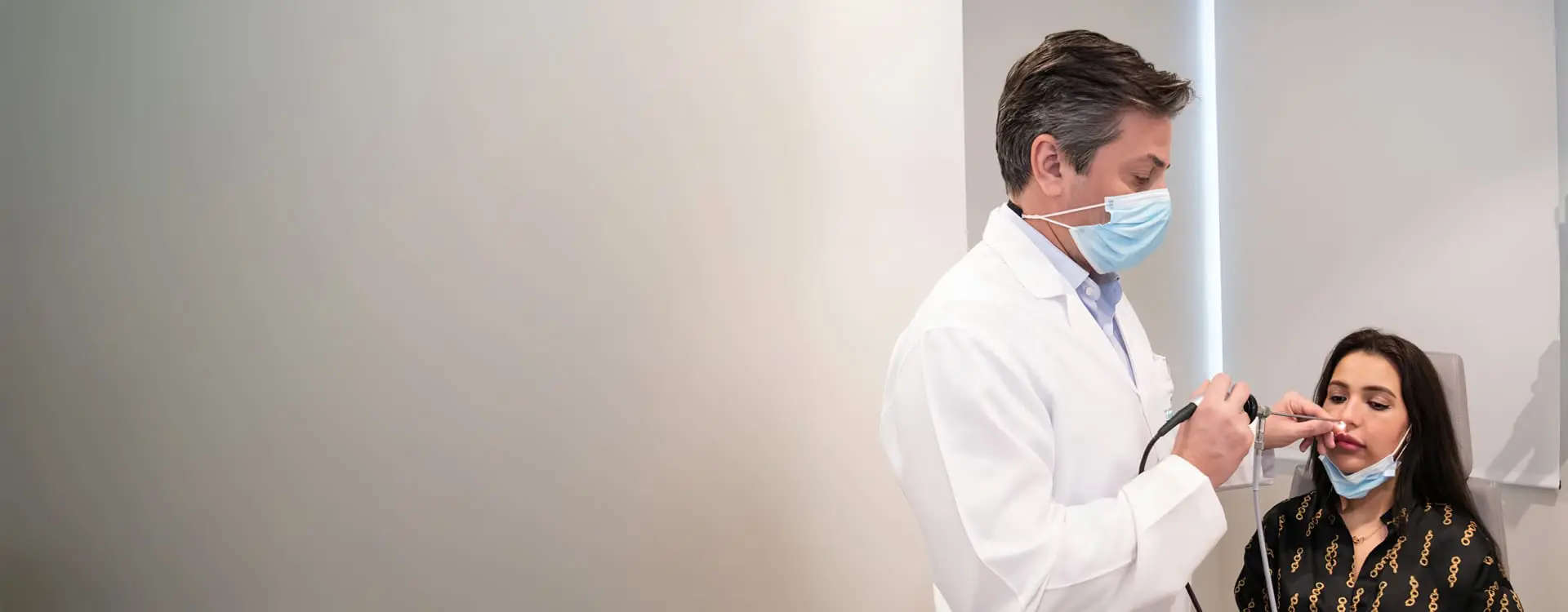
Endoscopic surgery can help when medicines have not worked. It is performed under a general anaesthesia when you are asleep. Blocked tissue is taken away to widen the opening of the sinuses. This is done through the nose using a small camera called an endoscope. No cuts are made on the outside of the nose. Navigation guidance is often required for safety and precision.
Deciding whether to have the treatment:
The decision to have surgery is based on your doctor’s recommendation. You can change your mind about the treatment at any time. Signing a consent form does not mean you must have the operation.
If you would like to have a second opinion about the treatment, you can ask your doctor, who can arrange for this. You can ask for a second opinion with another doctor.
What happens before the operation?
You may be asked questions by the anesthesia specialist (the doctor who puts you to sleep) to see the preoperative work up / tests. You will be told when you can eat and drink before the procedure. You must follow this so that the surgery can be done safely.
What happens during the operation?
You will be given a general anesthesia. This will put them to sleep for the operation. A thin wire is gently placed in your nostril. A small balloon goes along this wire and into the sinus. The balloon is blown up, stretching the narrow part open. After a few minutes, the balloon is deflated and removed. The sinus is washed out with salt water
What happens after the operation?
After the operation, you will go to the recovery ward. When the anesthesia has worn off, they will go back to the day surgery unit if the surgery is a day case. If they are staying overnight, they will go to the ward.
Nasal blockage
The nose can feel blocked after surgery. This can be because of nasal dressings, snot or swelling. The dressing we use will dissolve on its own. You will need to rinse the nose with salt water. This will help clear the nose. The blocked nose should get better within a week.
Nosebleeds
You may see blood in the first week after their operation. Try to reduce blowing your nose for a few days after surgery to reduce the risk of a nosebleed.
If there is a severe nosebleed after surgery, you must head to the nearest Emergency Department.
Discomfort in the nose or face
There might feel some discomfort or pain in their nose or face after surgery. If their sinuses have been washed out, their nose may drip salt water for a day.
Are there any complications to this operation?
All surgery involves some risks. Surgery is usually safe and effective. Most of the issues below are rare but should be discussed.
Complications fall into the following groups and are extremely unlikely
Eye injury. Eye injury is rare. The sinuses are very close to the eye sockets. Sometimes there can be bruising around the eye. This usually goes away on its own.
Serious damage is very rare. It could cause severe swelling of the eye, double vision, and loss of sight. Serious eye complications might need more surgery.
Cerebrospinal fluid (CSF) leak. This complication is rare. The sinuses are very close to the base of the skull and brain. Nose and sinus surgery carries a risk of damaging the base of the skull. This can cause the fluid around the brain to leak into the nose. This complication can go away on its own, but usually needs further surgery.
General anaesthesia. The operation takes place under general anaesthetic. This is very safe in children and Adults. The pre-assessment team will inform you about the risks of a general anaesthesia
Recurrence of the disease: A revision surgery may be required if medical treatment fails.