


Why We Perform It?
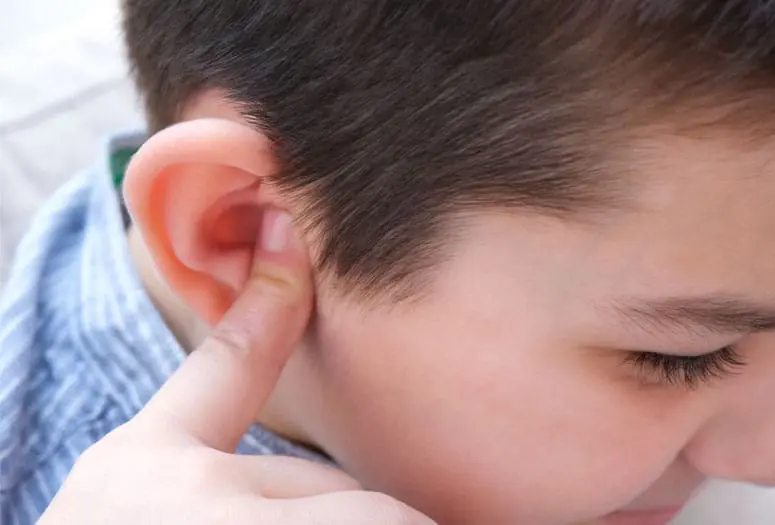
Rapid pressure changes during flying, scuba diving, skydiving, or hyperbaric exposure can lead to middle ear barotrauma. This may cause severe ear pain, hearing reduction, dizziness, or recurrent ear blockage. In most cases a grommets tube is inserted in the ear drum. In recurrent middle ear Barotrauma, recurring glue ear Patient and selected individuals, insertion of a long‑term ventilation tube (T‑tube) helps stabilise middle ear pressure and prevents repeated injury.
Who May Benefit?
- Scuba divers with recurrent difficulty equalising ear pressure
- Skydivers experiencing repeated ear pain or blockage during descent
- Pilots or cabin crew exposed to frequent altitude changes
- Patients with chronic Eustachian tube dysfunction and barotrauma risk
The Technique – Long‑Term Ventilation Tube Placement
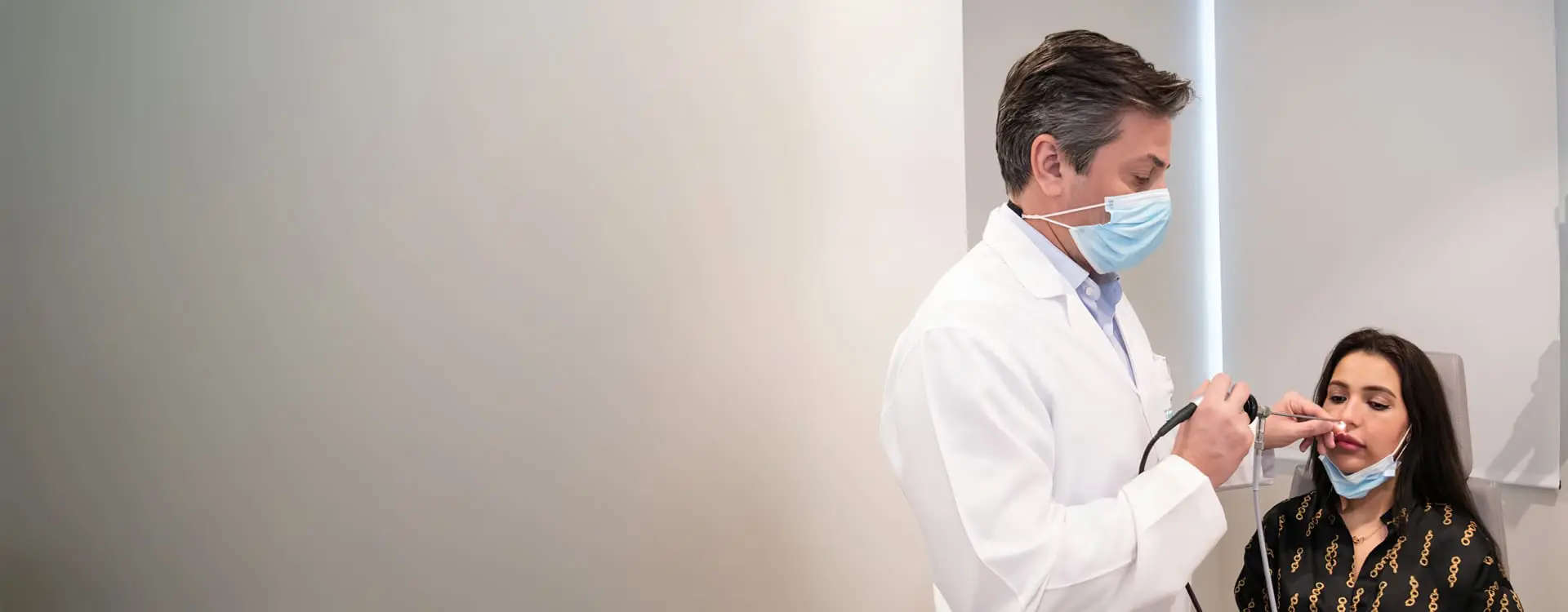
Using microscopic guidance, a small opening is created in the eardrum and a soft silicone T‑tube is inserted to allow continuous pressure equalisation between the middle ear and the external environment. The procedure is brief and usually performed as a day‑case surgery under local or general anesthesia.

The T -Tube after insertion in the ear drum

The Grommet tube after insertion in the ear drum
After the Procedure
Most patients resume normal activities within a day. Pressure tolerance during flying or diving often improves significantly once healing occurs. Water precautions and follow‑up visits are recommended to ensure proper tube function and ear health.
Risks / Complications
Early (within 2 weeks)
Mild ear discomfort or temporary discharge may occur during early healing. Infection is uncommon and usually responds to ear drops.
Delayed (after 2 weeks)
Occasionally the tube may remain longer than intended or the eardrum may not close completely after removal. Recurrent middle ear infection is uncommon with proper care.
Why Choose Our Clinic?
Specialist Barotrauma Expertise
Assessment and treatment are provided by an ENT consultant experienced in aviation and diving‑related ear disorders.
Functional Focus
Treatment planning prioritises safe return to flying or diving activities.
Microscopic Precision
High‑magnification techniques ensure accurate and atraumatic tube placement.
Individual Risk Assessment
Each patient undergoes detailed ear examination and hearing evaluation.
Discreet Premium Care
Consultations and procedures are delivered in a calm, private clinical setting.
Good luck with your upcoming flights, dives, or jumps — safe pressure equalisation is essential for performance, comfort, and ear health.